I Wore a Continuous Glucose Monitor for 14 Days
March 2026
I Wore a Continuous Glucose Monitor for 14 Days
What It Taught Me About Food, Workouts, and Low Blood Sugar
I wore a continuous glucose monitor for 14 days in March 2026. I am not diabetic, but I was interested to see if I could optimize my eating habits. I also had symptoms of low glucose during several workouts this year and wanted to troubleshoot whether glucose was the issue or something else. I have included my full glucose data and food log for the 14 days below, also accessible on GitHub.
This blog is for informational purposes only and does not constitute medical advice. Always consult a qualified healthcare professional before making health-related decisions.
TL;DR
What I Learned
- My blood glucose responses are mostly normal, which was expected.
- Fast-absorbing carbs before workouts could push me into low blood sugar, which was surprising.
- Refined carbs had a bigger impact than I expected.
- Real-time feedback from the monitor changed my eating behaviors.
- I would definitely do this once a year going forward to monitor health.
Surprising Results
One of the purposes of doing this test with a CGM was to troubleshoot symptoms I have had during a few workouts this year that felt like they were related to low glucose, also known as hypoglycemia. Shaking hands, increased heart rate, a feeling of uneasiness, and lightheadedness.
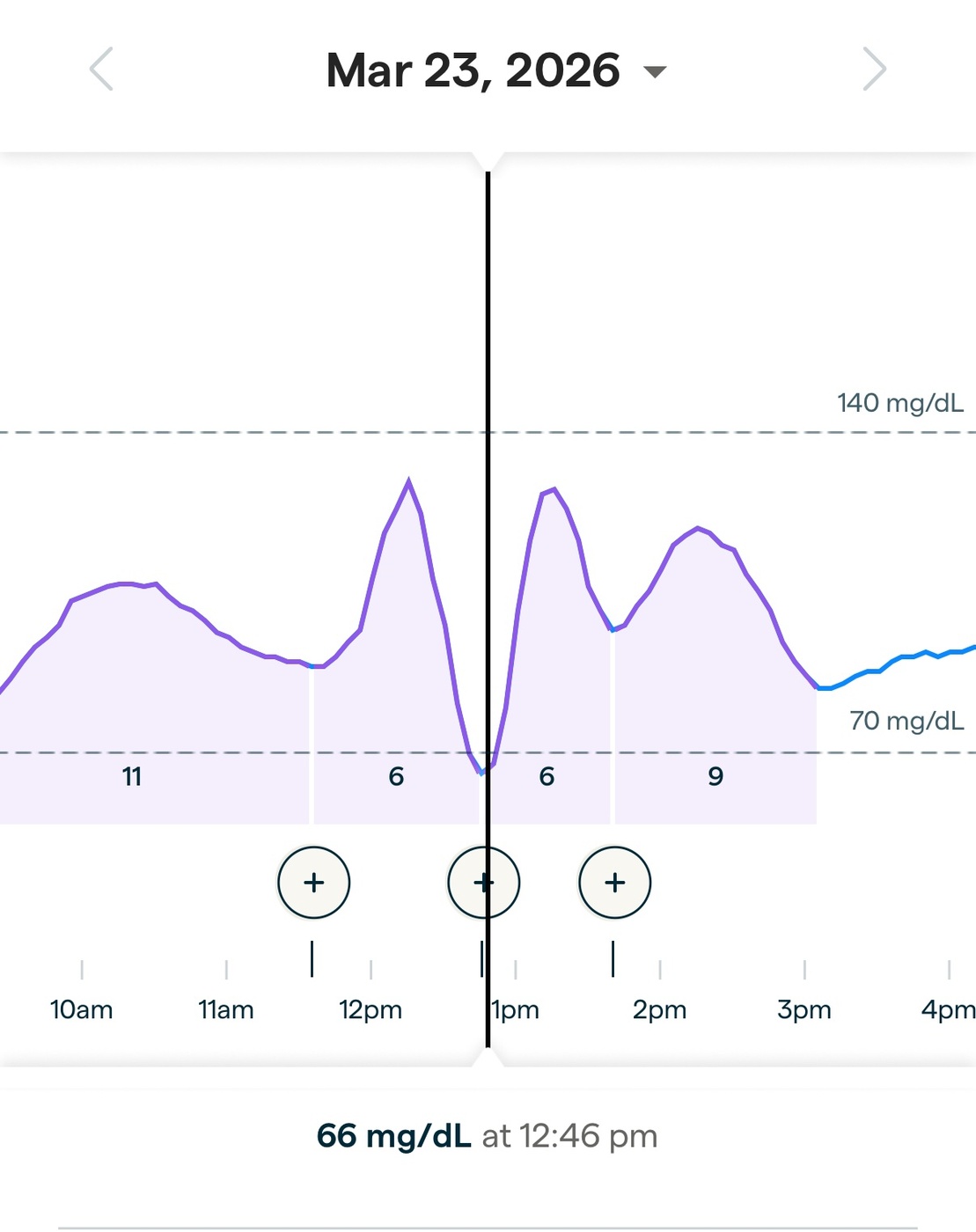
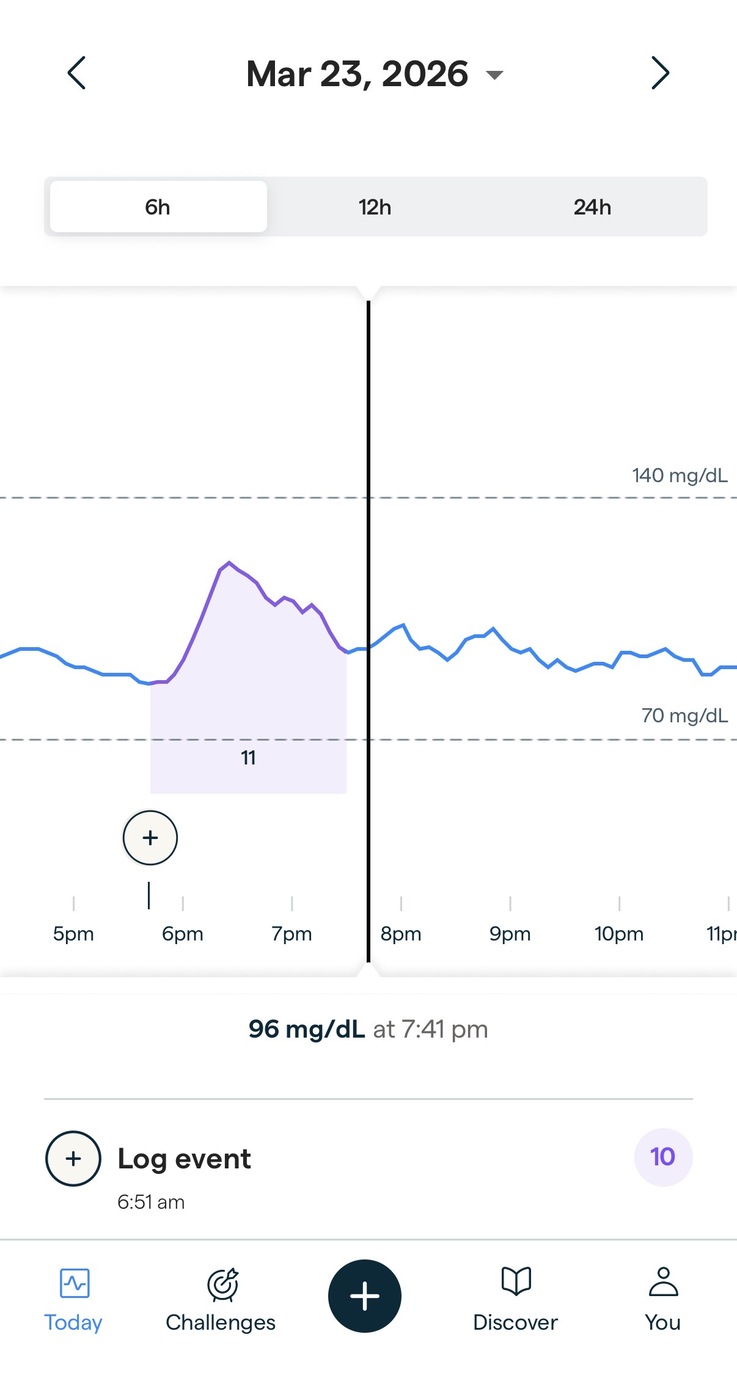
On March 23, during a lunch workout, I was able to replicate these symptoms, and the glucose monitor confirmed low glucose. The why is the surprising part.
Timeline of Events
- 11:30 AM: Ate a handful of Frosted Mini-Wheats before the workout. Blood sugar started to rise.
- 12:00 PM: Started the workout with a Zone 2 easy run on the treadmill to warm up. Blood sugar continued to increase.
- 12:15 PM: Started sprint intervals, hard Zone 4 work with 3 minutes on and 3 minutes rest. Blood sugar started to crash hard.
- 12:30 PM: Felt symptoms of low blood sugar, stopped the workout, sat down, and started drinking Gatorade.
- 12:45 PM: Felt normal again.
What I Think Happened
My interpretation is that eating fast-acting carbs like Frosted Mini-Wheats quickly increased my blood sugar. Starting exercise may have also increased my blood sugar from the normal hormonal response to exercise and the body making more glucose available in the bloodstream.
Once blood glucose reached about 129 mg/dL, my body may have released enough insulin to rapidly lower blood glucose, down to about 66 mg/dL. This matched the symptoms I felt and seemed consistent with reactive hypoglycemia after ingesting fast-acting carbs before exercise.
Confirming the Finding
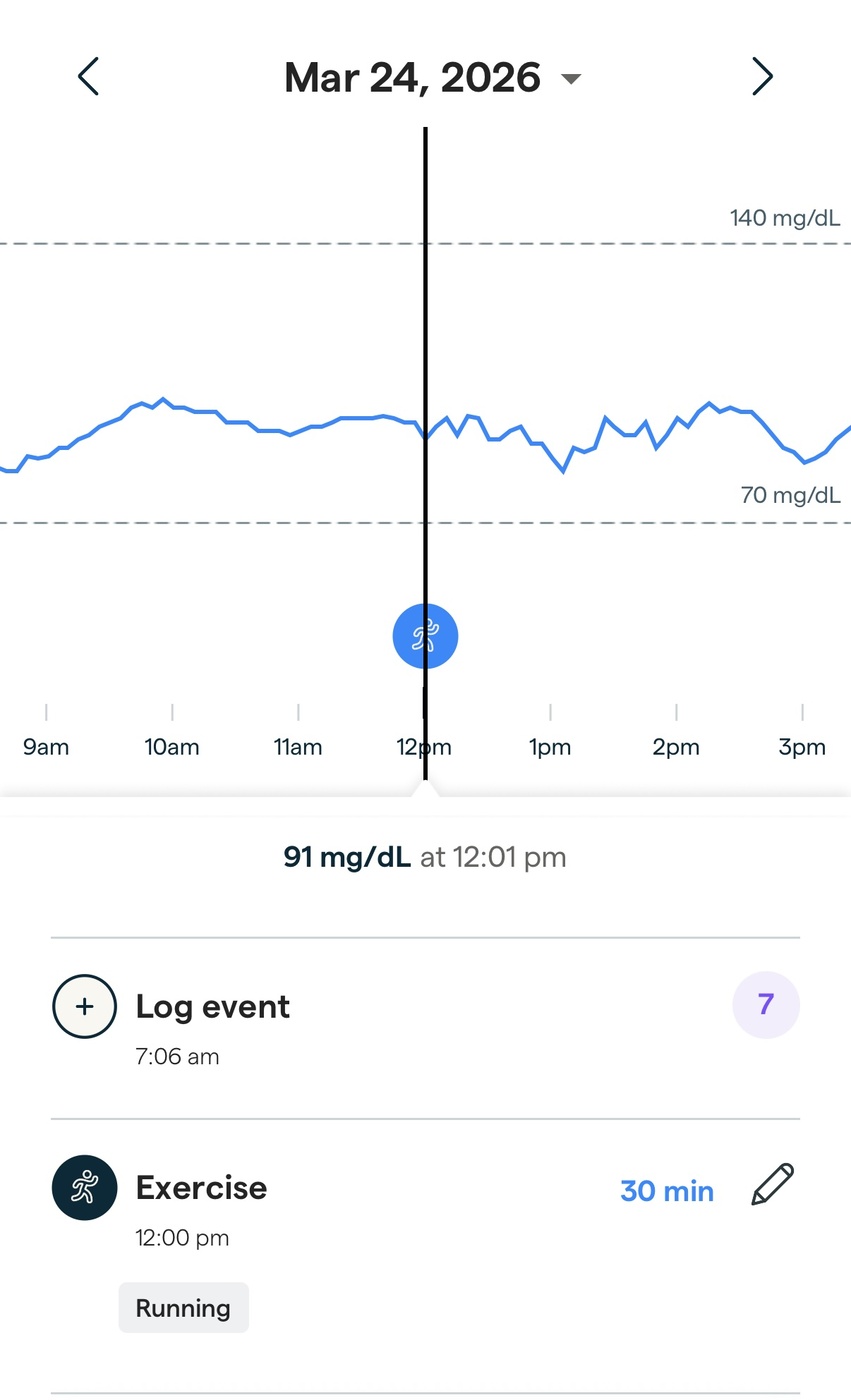
I repeated the same workout the next day, but did not eat for 2 hours before working out, and had no issues with blood sugar. That seemed to support the explanation.
This was a surprising finding to me. As a lifelong runner, eating before workouts has never been an issue. But that could be changing due to aging, current fitness levels, or the type of food I was eating before training.
Food
I tried a variety of different foods to see how they impacted blood sugar. What I observed matched what I had learned about the subject before wearing the monitor.
- Fast-acting carbs, like bread and crackers, spiked blood sugar very quickly.
- Sugary foods like fruit and dried dates also raised blood sugar, but were less spiky than fast-acting carbs.
- Adding more fiber to meals lowered the blood sugar impact.
- Low-sugar and slower-digesting foods like nuts and dairy did not impact my glucose score much.
It was difficult parsing through the data because it can be noisy. Start and end times for meals can vary greatly. For example, drinking a cup of coffee with milk could take 30 minutes in the morning, so getting a clean glucose reading correlated to a meal can be difficult.
Workouts
Other than the low blood sugar issue, glucose stayed within normal range when working out. Thirty minutes of running, cycling, or weight training did not change glucose much. The only time I saw glucose start to decline was during longer workouts, usually in excess of 60 minutes.
I usually take in some type of carbs, like a sports drink or gummies, if I am working out for more than 45 minutes. I would like to do more experimenting with longer-duration workouts next time I wear a CGM.
Setup and Wearing the Monitor
I purchased a Lingo CGM on Amazon for about $45 USD. I am not affiliated. Installation was straightforward: put the monitor into the injector, push it onto the arm, then download and install the iOS app to pair. Opening the box to having it on my arm took less than 5 minutes.
I also purchased waterproof medical tape covers to keep it dry and in place during showers.
Wearing the Monitor
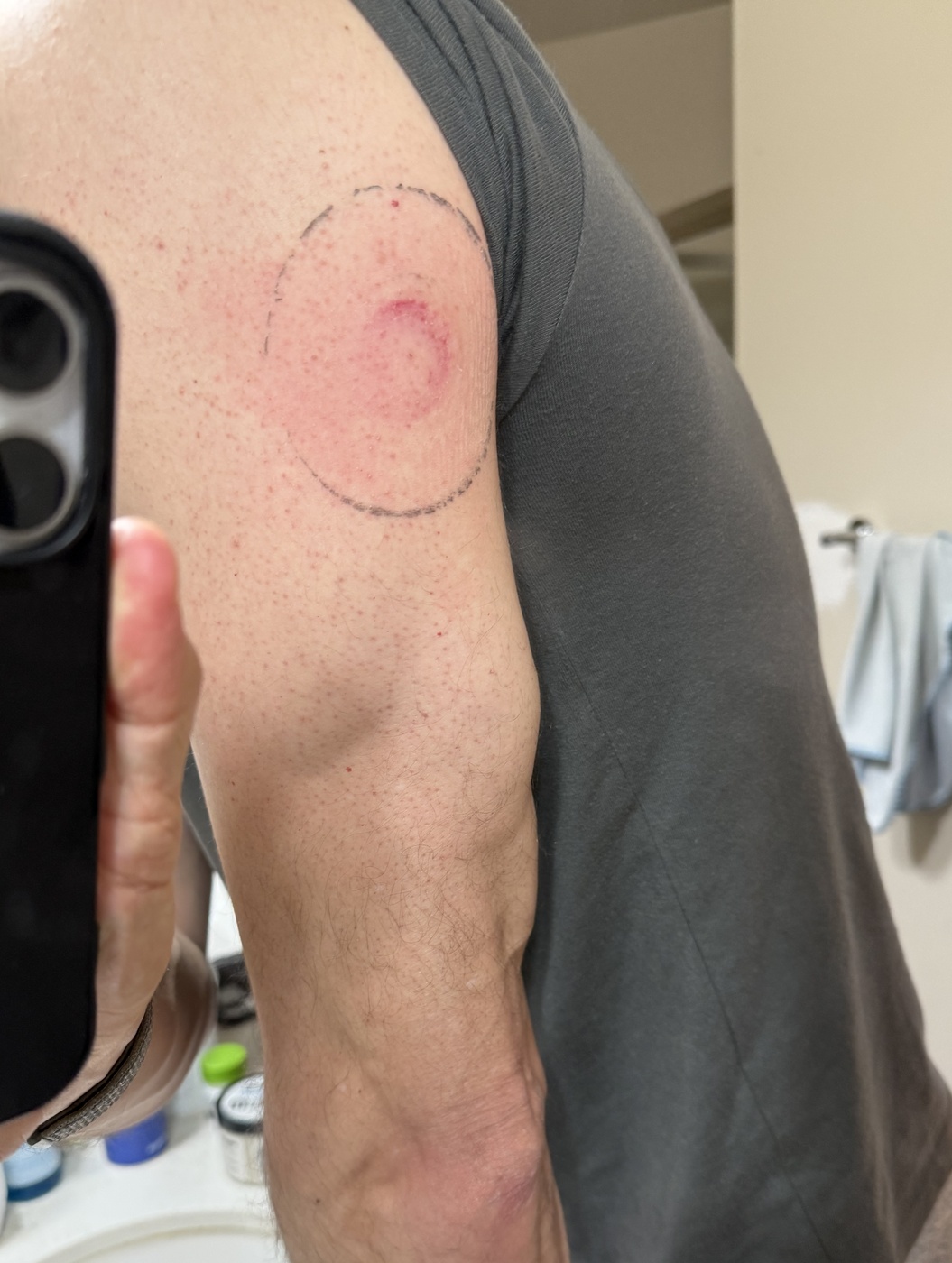
Throughout the day, I did not notice or remember I was wearing the monitor. It did not interfere with daily life at all, and I had no issues taking showers or sleeping. Removing the monitor did leave some irritation marks, which lasted for a few days.
Was It Accurate?
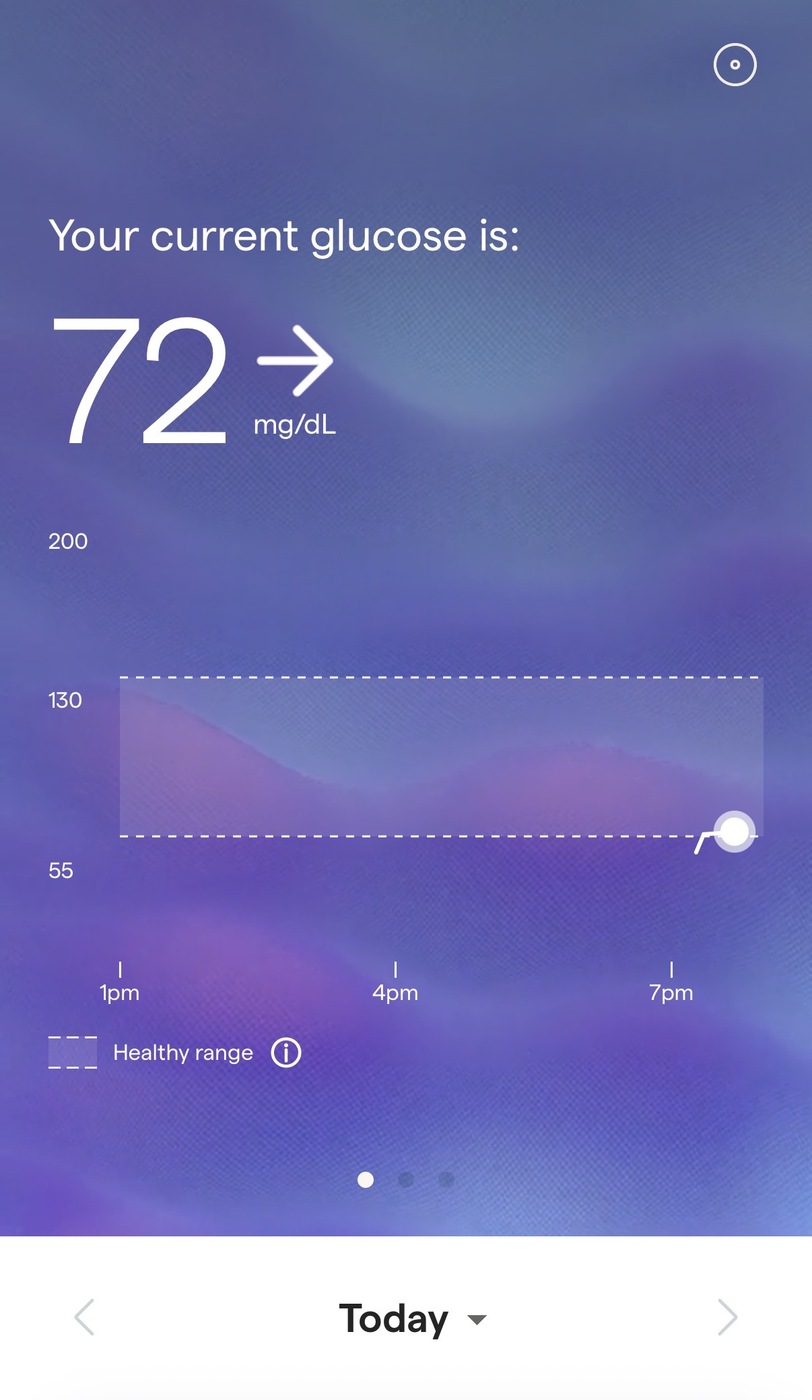
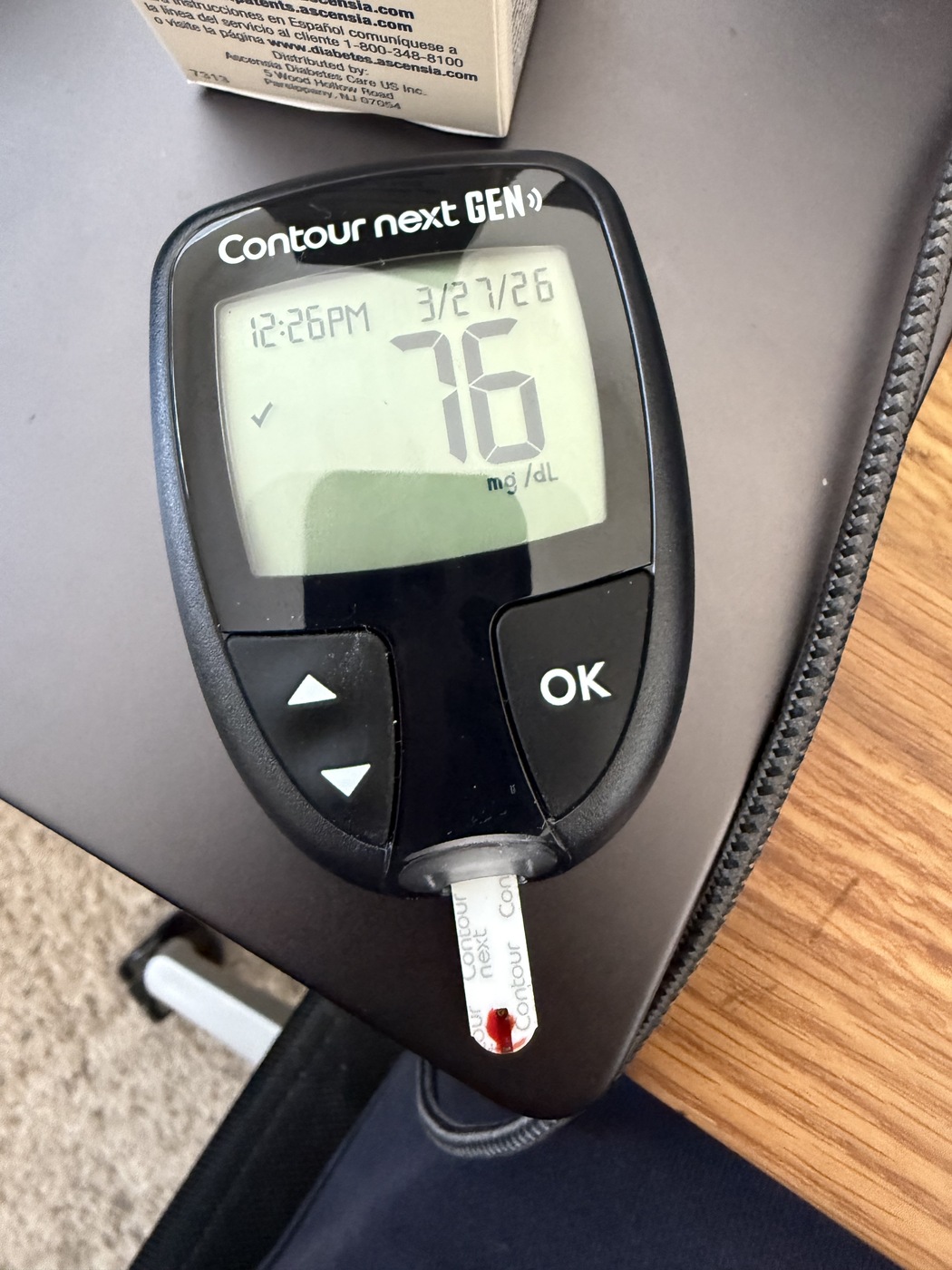
I did not have any data anomalies during testing. I also bought a handheld finger-prick glucose reader, the Contour Next Gen, which I used to confirm the CGM was working properly. I took a few blood sugar readings with the finger-prick monitor, and the CGM and finger-prick tests matched closely, which gave me confidence in the CGM data.
Impact on Behavior
I found myself no longer eating quick carbs or grazing as much because I did not want to impact my blood sugar score. The gamification effect is real. I could see this aiding people who are trying to lose weight. If Apple or anybody else ever makes a glucose monitor in their wearables, it will be a big seller.
I also experimented with eating more fiber-rich meals, which lowered blood sugar spikes. The effect was not very noticeable, because I do not normally get energy crashes after eating, but it did help my blood sugar score.
Who This Is Useful For
In addition to diabetic use cases, I could see CGMs being used for a few different purposes, including:
- Endurance athletes experimenting with fueling and carb timing.
- People curious about metabolic health and how food affects them personally.
- People who like quantified-self experiments and real-time feedback loops.
- People trying to understand how snacking, refined carbs, or meal composition show up in their own data.
Would I Do It Again?
Absolutely. I plan to wear one once a year going forward to monitor my metabolic health. For about $40 USD, you get a much better picture of how your body is managing blood sugar compared to the single blood draw most adults do as part of their yearly physical.
If I was training for any endurance events, I would definitely incorporate a CGM. The data is worth it to learn how to optimize fueling and when to take in carbs. I wish I had used this during prep for my last marathon race.
Photos
Data
Glucose data was extracted from the Lingo app. I kept my food log in Apple Notes, using a simple shortcut I created on the home screen to add a new item to the note every time I ate. Glucose data was also available in Apple Health, but it was quicker to get it directly from the Lingo app through its CSV export function.
The interactive timeline below uses the same source files I collected during the 14-day test. Download the complete food journal or the raw glucose CSV.
Use the range buttons or slider to move through the 14-day period.
14-Day Food Journal
Glucose columns compare the reading at the start of each food entry with the highest reading in the next 2 hours.
Starting glucose readings and 2-hour peaks may be approximate because I was not always perfectly diligent about marking the exact eating time.
| Date / Time | Food Entry | Start Glucose | Highest Glucose in Next 2 Hours | Glucose Increase |
|---|